There are certain phrases in Scripture that can feel almost mysterious when we read them. The “abomination of desolation” is one of them.
Jesus says in Matthew 24:15, “Therefore when you see the ‘abomination of desolation,’ spoken of by Daniel the prophet, standing in the holy place…” And if we are honest, it is easy to read those words and wonder, What exactly does that mean? And what does this have to do with my life today?
To understand it, we have to go back to Daniel.
Where Did the Abomination of Desolation Come From?
The phrase first appears in the book of Daniel, particularly in Daniel 9:27, 11:31, and 12:11. It describes something deeply offensive to God being placed where God was to be worshiped, resulting in desolation and devastation.
One important historical example came under Antiochus IV Epiphanes, a Seleucid ruler who persecuted the Jewish people and desecrated the Jerusalem temple in the second century BC. He interrupted the regular temple sacrifices and introduced pagan worship into the temple. This became a major historical example of the kind of desecration Daniel’s language describes.
But Jesus later picked up Daniel’s language in Matthew 24.
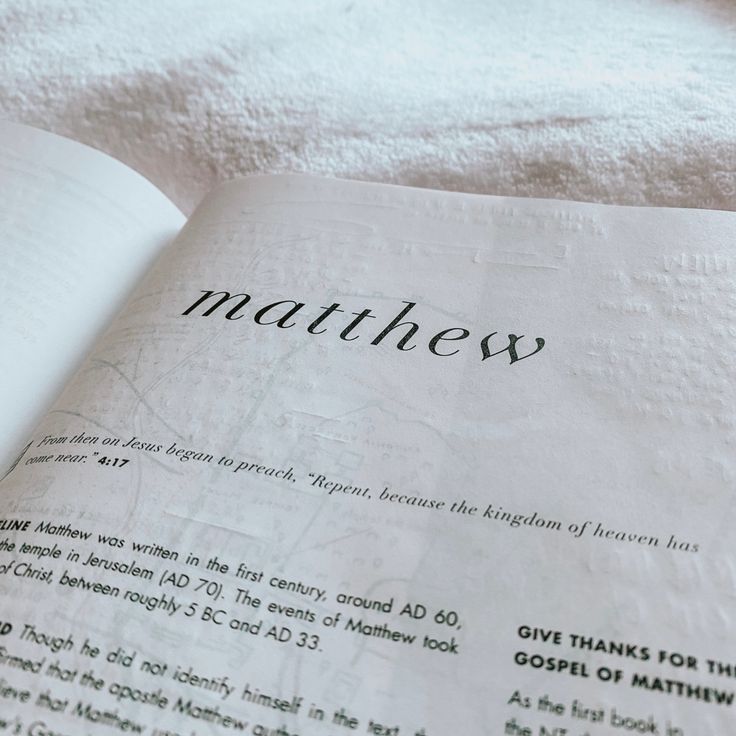
Jesus was speaking to His disciples about the destruction of Jerusalem and the temple, His coming, and the close of the age. Christian interpreters differ on precisely how the prophecy relates to the destruction of Jerusalem in AD 70 and to events still associated with the end of the age. Some understand Jesus’ words primarily in connection with the Roman destruction of Jerusalem, while others see Antiochus and AD 70 as foreshadowing a final future fulfillment.
So while Christians may disagree about the prophecy’s ultimate fulfillment, the central biblical picture is clear: something that belongs in the place of worshiping God is replaced by something that opposes or dishonors Him.
And that brings the question surprisingly close to home.
Does Idolatry Exist Today?
We may never stand in an ancient temple and watch an idol placed on an altar.
But Scripture repeatedly warns us about another kind of idolatry: allowing something created to take the place that belongs to the Creator.
An idol doesn’t have to be a carved statue. It can be success, control, comfort, approval, money, relationships, achievement, beauty, security, productivity, or even our own plans for how life should go.
An idol is ultimately anything we look to for what only God can give us or anything we value above our allegiance to Him.
The uncomfortable question isn’t simply, “Do I worship idols?”
It is: “What has taken God’s place in my heart?”
What do I think I need in order to be okay? What am I terrified of losing? What consumes my thoughts? What am I constantly trying to control? What makes me feel valuable? What do I run toward when I’m anxious, disappointed, lonely, or afraid?
Those questions can begin to expose what is sitting on the throne.
What Does “Throne of the Heart” Mean?
The language of a throne is helpful because our hearts are always orienting themselves toward something.
Something is shaping our desires, directing our decisions, and telling us where our security lies.
Jesus doesn’t simply ask us to remove idols. He calls us to Himself. The goal isn’t an empty throne. The goal is Christ on the throne.
This is why idolatry can be so subtle. Sometimes we aren’t consciously choosing something instead of God. We simply begin looking to something else for the security, significance, comfort, or identity that we were created to find in Him.
We might say, “I just want to do well at work.” But underneath that desire may be, “I need everyone to think I’m competent.”
We might say, “I just want my family to be okay.” But underneath that may be, “I need to control everything so I never have to feel afraid.”
We might say, “I just want financial security.” But underneath that may be, “I won’t be okay unless I know I have enough.”
The outward desire isn’t necessarily sinful. The question is whether something good has quietly become something ultimate.
Final Encouragement
Discovering an idol isn’t an invitation to beat yourself up. It is an invitation to return.
God doesn’t expose what is misplaced in our hearts so He can humiliate us. He brings it into the light because He loves us too much to let us remain enslaved to something that cannot satisfy us.
The answer to idolatry isn’t simply try harder. It is turn your heart back toward God.
Give Him the thing you have been gripping. Confess where something else has become ultimate. Ask Him to reorder your desires. And then keep returning to Him.
The abomination of desolation reminds us of something sobering: God will not share His place of worship with idols. But it also gives us an opportunity to ask a deeply personal question:
What is sitting on the throne of my heart? Maybe today, you realize something has quietly taken God’s place. Bring it to Him. You don’t have to hide it. You don’t have to pretend.
You can simply pray:
“Christ, show me what has taken Your place in my heart. Reveal anything I have made ultimate that belongs in Your hands. Take Your rightful place again, and teach me to worship You above everything else.”
Because ultimately, the question isn’t just what we need to remove from the throne.
It’s who we are willing to put there.
Questions to Help You Identify Your Idols
- What do I fear losing the most?
If losing something would make you feel as though your entire identity or future had collapsed, it may be worth bringing that fear honestly before God. - What do I think will finally make me happy?
What are you telling yourself, “When this happens, then I’ll finally be okay”? - Where do I run when life gets hard?
When you feel overwhelmed, anxious, lonely, or disappointed, where do you instinctively turn for comfort? - What occupies my thoughts and imagination?
What do you constantly think about, check, pursue, compare, plan, or worry about? - What am I unwilling to surrender to God?
Is there anything you are holding onto because you are afraid to trust God with it? - Whose approval matters most to me?
Whose opinion can make or break your sense of worth or confidence? - What makes me feel valuable?
Do you find your identity in what you accomplish, how you look, how others perceive you, your relationships, or something else? - What am I trying desperately to control?
Sometimes our need for control reveals where we are struggling to trust God.
Then ask yourself one final question: What would it look like to take that thing off the throne and give God His rightful place again?

